
Tags
#Agile, #AgileSoftwareDevelopment, #AgileTraining, #Communication, #Feedback, #Gandhi, #LatestInAgile, #Nirbhay, #NirbhayGandhi, #Processimprovement, #ProductOwner, #Retrospection, #Retrospective, #Scrum, #ScrumMaster, #Scrummeetings, #Scrumrituals, #ScrumTeam, #SoftwareDevelopment, #SprintRetrospection, #Sprintretrospective
Day 25, 2015. First month of the new year is almost over, can you believe that? 🙂 Time really does fly! And that reminds me, how are you all doing with your New Year resolutions, still on track? Better be! If not, think about all the things you couldn’t get to in 2014, all those things you could have done better last year.. that should boost your energy levels and get you going.
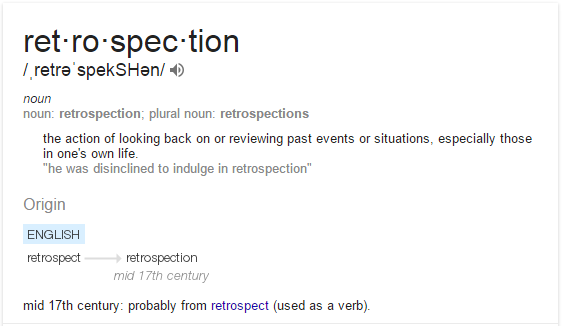 By the way, have you ever felt that lessons from the past often help us carve a better future. We learn from our past mistakes, our past shortcomings, in the hopes to do better if we ever land in a similar situation in the future. In fact not just that, it also helps us constantly improve and be wiser in our future actions. Retrospection is the word for this action. Its like peeking into the past, analyzing what we did right and what we could have done better, learn the lesson, improve, and do better next time.
In the world of Agile, there is an event that serves exactly the same purpose – RETROSPECTIVE. I have briefly touched upon this ritual in a couple of my previous articles – Scuba dive in the Sea of Scrum and The Real World Scrum
 Sprint Retrospective is an opportunity for the Scrum Team to inspect itself and create a plan for improvements to be enacted during the next Sprint. It is an integral part of the inspect and adapt process, provides a scrum team with a platform for continuous improvement, an opportunity to review the process and improve upon it. It enables the team to improve upon their overall output and performance. The Retrospective is generally conducted right after the Sprint Demo.
No matter how good you are, there is always room for improvement is the essence of this session. No matter how good a scrum team is, there is always an opportunity to improve.
Purpose: inspect and adapt, identify area for improvement, discuss issues and pain-points, shout-outs, criticism, personal criticism. “What happens in Vegas, stays in Vegas” is followed for this meeting so that the team members can speak freely and fearlessly.
Attendees: As the discussions may at times get personal, the audience is strictly restricted to the team and the Scrum Master. Rather than the Product, this meeting primarily focuses on process improvement, hence the Product Owner does not need to attend this session. (Product improvement is addressed as part of the Sprint Demo, refer the last article – Show me what you got…)
Venue: This session can be held anywhere, inside or outside the office, in the cafe downstairs, or at a bar during the happy hour.
Organizer: Scrum Master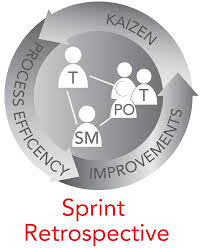
Duration: Generally time-boxed to one hour, however, if a hot topic comes up in the discussion, or a team conflict is escalated, the session may stretch longer.
Outcome: The team walks out of this session with a definitive list of items, areas they need / want to improve upon in the next sprint. There may be a long list of items/areas for improvement, however, not everything cannot be worked upon at the same time. Hence the team votes and picks the top few highest impact improvement areas for the next sprint.
As you can see, the What, when, where, who, why are pretty standard for this ritual, what varies is the HOW? Every Scrum Master / Agile Coach has a different style of conducting the retrospective. Below are a few of the ways that are used more often than others.
- “What went well?”, “What did not go so well?” and “What can be improved?”
- “Start – Stop – Continue” – Start doing, stop doing and continue doing
- “Stop – Less – Keep – More – Start”
- “The Four Ls” – Liked, Learned, Lacked and Longed for
- “Happiness Index”
- “Mad – Sad – Glad”
- “Seriously Uncool – Uncool – Cool – SubZero”
But in the end, all roads lead to Rome. No matter which way you conduct it, the gist still remains the same:
- inspect how the last Sprint went with regards to people, relationships, process, and tools,
- identify and order the major items that went well and potential improvements
- create a plan for implementing improvements to the way the Scrum Team does its
work
Like I said, “Lessons from the past help us carve a better future!
Happy Reading! 🙂
– Nirbhay Gandhi
 Nirbhay Gandhi